January 15

Zero-Maintenance Farmland
Home / Blogs
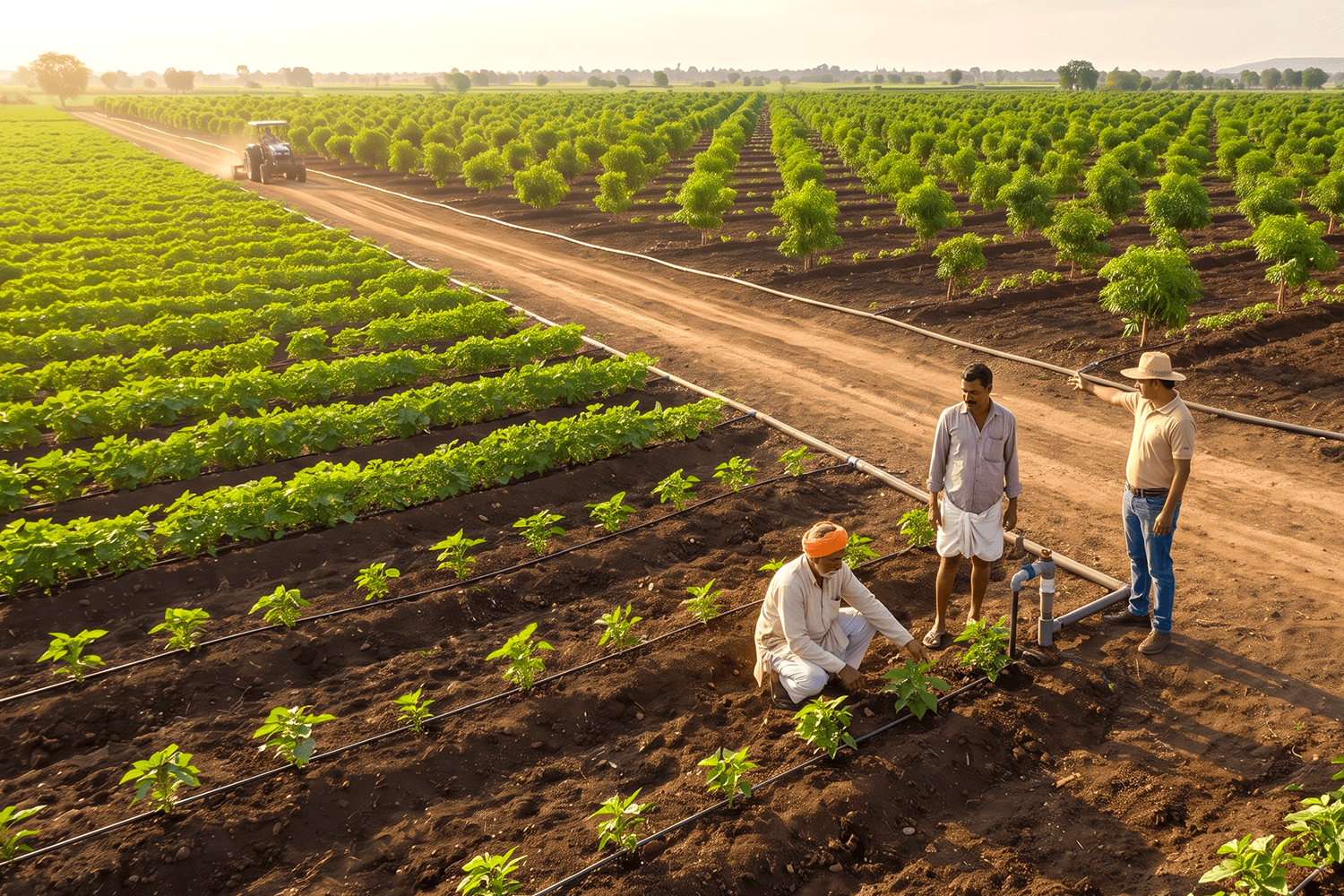
Zero-Maintenance Farmland: What Does It Really Mean?
Owning farmland sounds appealing, but the reality of managing agricultural land can be very different. Farming involves irrigation, labour, soil preparation, plantation care, pest and weed management, harvesting and many other day-to-day activities.
For people living in cities or managing demanding careers, this can make farmland ownership seem difficult.
This is where the concept of managed farmland comes in.
What Is Zero-Maintenance Farmland?
Zero-maintenance farmland generally refers to an ownership model where the landowner does not have to personally manage routine farm operations.
Instead, an experienced farm management team handles activities such as:
Plantation maintenance
Irrigation management
Labour coordination
Crop care
Routine field activities
Farm supervision
Harvest-related operations
The exact scope depends on the project's management agreement, so it is important for buyers to understand what is included.
Why Does Professional Management Matter?
A farm cannot be managed effectively through occasional visits.
Plants need timely irrigation. Trees need pruning and nutrition. Weed growth needs attention. Pest and disease issues need to be identified quickly. Harvests need to be planned at the right time.
Professional farm management creates continuity.
Instead of relying on the availability of the individual owner, the farm has a dedicated team responsible for day-to-day agricultural activities.
Zero Maintenance Does Not Mean Zero Ownership
This distinction matters.
A zero-maintenance model does not mean the owner has no responsibilities whatsoever. Ownership-related documentation, applicable project terms and other obligations still need to be understood.
What it changes is the operational responsibility of farming.
The owner owns the land.
The farm team manages the farm.
Why This Model Works for Urban Landowners
Many people want to own agricultural land but do not have:
Time to supervise labour
Agricultural experience
Equipment
Local operational support
The ability to travel to the farm frequently
Managed farmland addresses this gap by separating ownership from daily farm management.
What Should You Check Before Choosing One?
Look beyond the phrase “zero maintenance.”
Ask:
Who manages the farm?
What activities are included?
Who handles irrigation?
Who manages plantation care?
How are updates provided?
Can owners visit the farm?
What costs are included?
What are the ownership and management terms?
Conclusion
Zero-maintenance farmland is ultimately about simplifying the experience of owning agricultural land.
The important question is not simply whether maintenance is free.
It is whether there is a real, capable management system behind the land.
At Hebbevu Farms, our approach is built around allowing landowners to own farmland while experienced teams manage the agricultural operations on the ground.
-
-
January 20
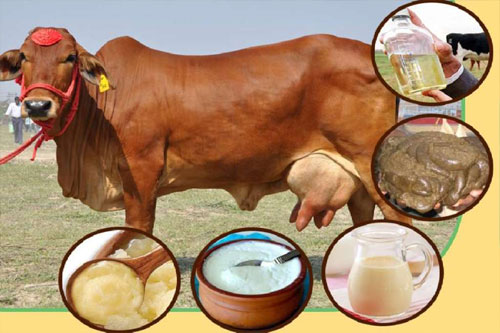
Panchagavya
-
January 28
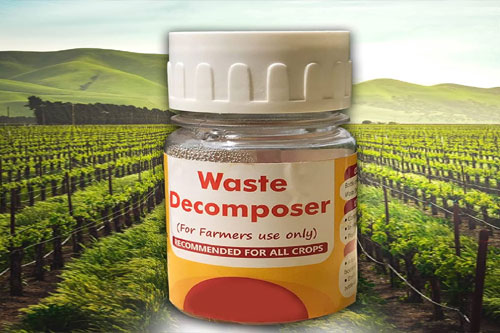
Waste Decomposer
-
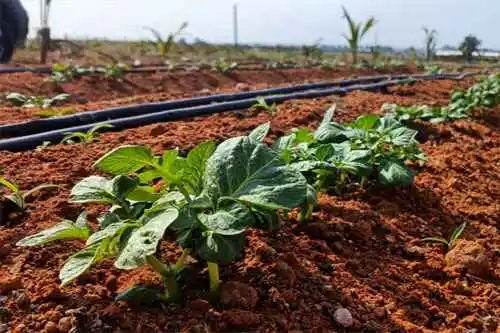
February 03
Natural farming with Zero Budget
-
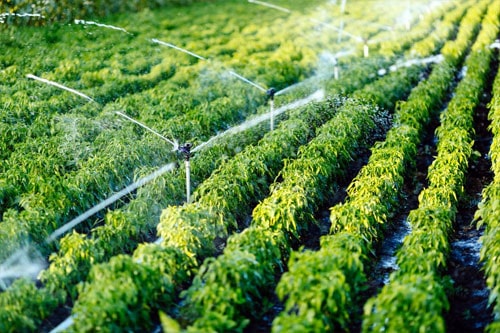
February 09
Drip Irrigation
-
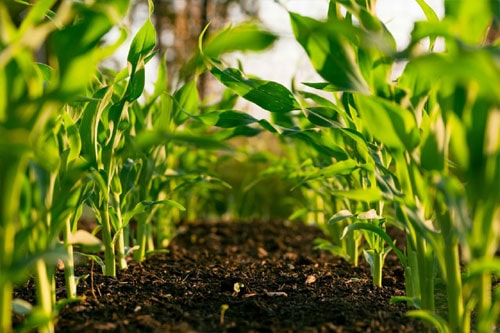
February 14
Organic Farming
-

February 19
Recycling is A Must
-

February 25
Save Our Water
-

February 29
Save Our Eco System
-
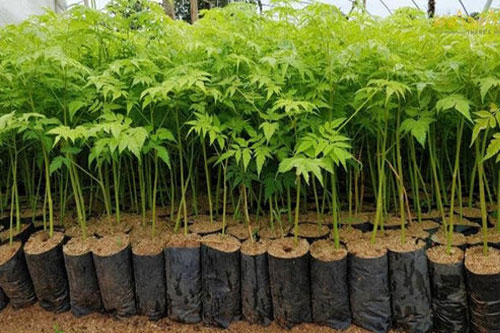
March 04
Hebbevu – Melia Dubia
-
-
-

March 19
Why Need to Invest in Farm Lands?