January 15

What Does a Circular Agricultural Ecosystem Look Like?
Home / Blogs
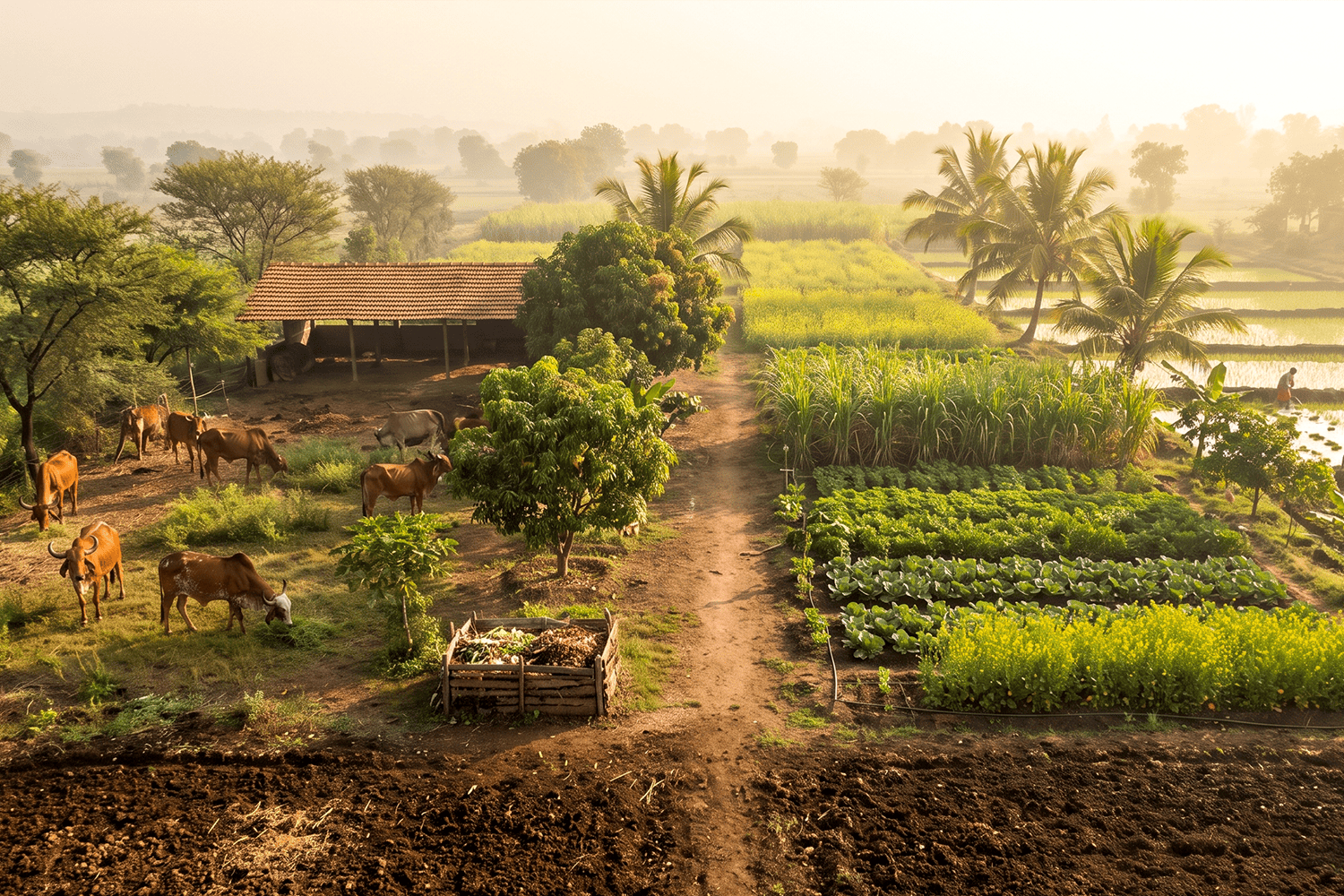
What Does a Circular Agricultural Ecosystem Look Like?
Traditional agriculture can sometimes operate in a linear way:
Inputs → Crops → Harvest → Waste
A circular agricultural ecosystem looks for ways to keep more resources within the system.
What Is Circular Agriculture?
Circular agriculture focuses on the reuse and recycling of agricultural resources rather than treating every output as waste.
For example:
Cattle → Manure → Farm Inputs → Soil → Crops → Produce
This creates a continuous cycle.
The Role of Cattle
Cattle produce manure.
When appropriately collected and processed, manure can become part of farm-made agricultural inputs.
This creates a direct connection between livestock and crop production.
The Role of Crop Residues
Crop residues can also have value.
Depending on the crop and farm system, residues may be:
Returned to the soil
Composted
Mulched
Used as biomass
Processed into other useful materials
Value Addition
Circular thinking also extends beyond the farm field.
Agricultural produce can be processed and converted into value-added products rather than being treated as a raw commodity alone.
Why Circular Systems Matter
They can help improve:
Resource efficiency
Waste reduction
Soil management
Farm resilience
Integration between agricultural activities
Hebbevu's Ecosystem
Hebbevu brings together farmland, cattle operations, natural inputs and farm-to-home produce as interconnected elements.
This allows the farm to function as more than a collection of separate operations.
Conclusion
Circular agriculture asks a simple question:
Can something we call waste become a resource for the next stage of the farm?
That mindset can help create agricultural systems that are more connected, efficient and sustainable.
-
-
January 20
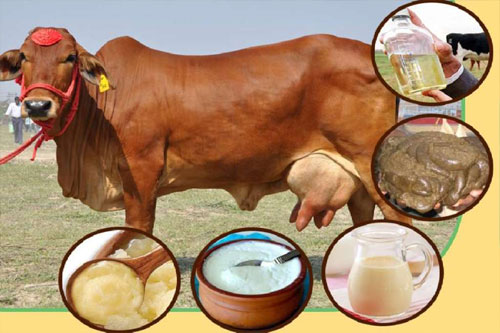
Panchagavya
-
January 28
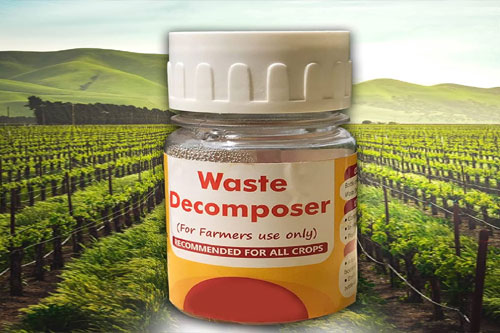
Waste Decomposer
-
February 03
Natural farming with Zero Budget
-
February 09
Drip Irrigation
-
February 14
Organic Farming
-
February 19
Recycling is A Must
-
February 25
Save Our Water
-
February 29
Save Our Eco System
-
March 04
Hebbevu – Melia Dubia
-

-
-
March 19
Why Need to Invest in Farm Lands?