January 15

Managed Farmland vs Real Estate
Home / Blogs

Managed Farmland vs Real Estate: Which One Supports Long-Term Land Value Better?
When people think about owning land, the usual comparison is between managed farmland and conventional real estate. Both can offer long-term value, but they work in very different ways.
The better choice depends on what you want from the land and what actually supports its value over time.
Real Estate: Primarily Driven by Location and Development
Traditional real estate is strongly influenced by urban expansion, infrastructure, employment hubs, commercial activity, and demand for residential or commercial space.
A property in a growing location can benefit from rising demand and improved infrastructure. However, real estate can also involve construction costs, maintenance, property taxes, tenant management, and competition from newer developments.
In many cases, the value of the property is closely tied to what happens around the land.
Managed Farmland: Land Supported by Productivity
Managed farmland follows a different model.
Instead of leaving the land idle, a professional team manages agricultural activities such as plantation, irrigation, maintenance, soil management, and farm operations.
This creates multiple layers of value:
The land itself
The underlying agricultural land remains the core asset.
Productive use
The land is actively used for farming rather than remaining vacant.
Infrastructure
Irrigation systems, internal roads, plantations, utilities, and other farm infrastructure can improve usability.
Professional management
Regular agricultural management helps maintain the land and its productivity over the long term.
A functioning ecosystem
A managed farm can create an environment where land, agriculture, infrastructure, and operations work together.
Which One Has Better Long-Term Potential?
There is no universal answer.
Real estate may be more suitable for investors looking for location-led appreciation, urban development, rental potential, or commercial use.
Managed farmland may appeal more to investors looking for land ownership combined with productive agricultural use and professional management.
The important point is that land value is rarely determined by the land alone.
What Should Investors Actually Evaluate?
Regardless of the asset type, look beyond the sales pitch and examine the fundamentals:
Location and accessibility
Quality and characteristics of the land
Water availability
Infrastructure
Productive use
Professional management
Long-term demand
Legal ownership and documentation
A well-designed farmland project should not rely solely on future appreciation. Its strength should also come from the quality of the land, the infrastructure around it, and the productivity of the agricultural ecosystem.
The Bottom Line
The real question isn't “farmland or real estate?”
It is:
“What kind of land asset do I want to own for the next 10, 15, or 20 years?”
For some buyers, the answer may be urban real estate.
For others, it may be productive land that is actively managed, developed, and connected to a functioning agricultural ecosystem.
In either case, long-term value should be evaluated through fundamentals, not simply projections or promotional claims.
-

-

January 20
Panchagavya
-
January 28
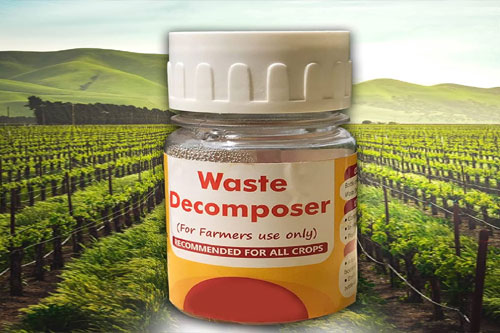
Waste Decomposer
-
February 03
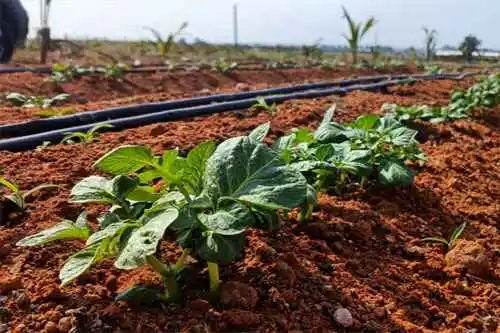
Natural farming with Zero Budget
-
February 09
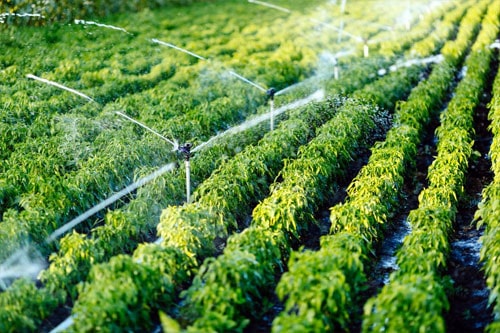
Drip Irrigation
-

February 14
Organic Farming
-
February 19
Recycling is A Must
-

February 25
Save Our Water
-
February 29
Save Our Eco System
-
March 04
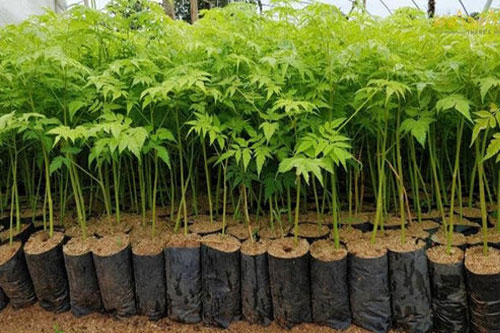
Hebbevu – Melia Dubia
-
-
-

March 19
Why Need to Invest in Farm Lands?