January 15

Inside a Large-Scale Desi Cattle & Farmland Ecosystem
Home / Blogs
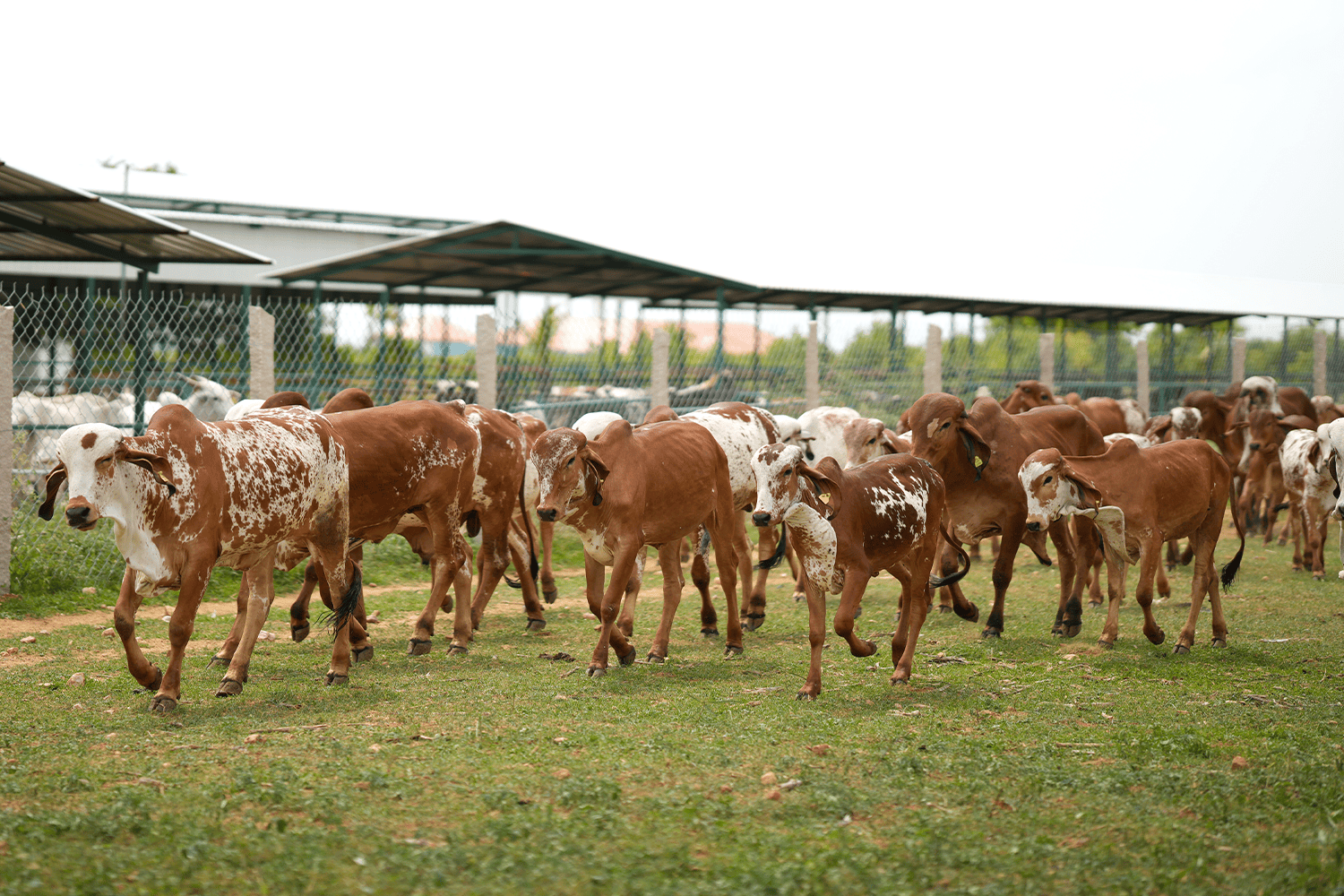
Inside a Large-Scale Desi Cattle & Farmland Ecosystem
Agriculture and cattle farming are often treated as separate industries.
But on a well-integrated farm, they can become closely connected.
The Farmland Side
Large-scale farmland requires:
Plantation planning
Irrigation
Soil management
Farm roads
Labour
Crop care
Monitoring
The Cattle Side
A large indigenous cattle operation requires:
Housing
Feeding
Veterinary support
Breeding management
Hygiene
Farm teams
Daily supervision
These are complex operations in their own right.
Where the Two Meet
The connection starts with fodder.
Agricultural land can support fodder production.
Cattle consume the fodder.
Cattle produce manure.
That manure can become part of the farm's natural input cycle.
This creates a relationship:
Land → Fodder → Cattle → Organic Resources → Soil → Crops
Why Scale Requires Systems
Large farms cannot depend only on manual supervision.
They require systems for:
Water
Feeding
Health
Records
Labour
Farm monitoring
Operations
This is why professional farm management becomes increasingly important as agricultural operations grow.
Indigenous Cattle in the Ecosystem
Desi cattle contribute more than dairy output.
They also represent an important part of India's indigenous agricultural heritage.
Breeding and genetic preservation can therefore support both productivity and conservation objectives.
Hebbevu's Integrated Model
Hebbevu brings together managed farmland and indigenous cattle operations within a broader agricultural ecosystem.
This creates a farm environment where livestock and crop activities can support one another.
Conclusion
An integrated farm is stronger when its activities are connected.
The land feeds the cattle. The cattle contribute to the land.
That is the foundation of a functioning agricultural ecosystem.
-
-
January 20
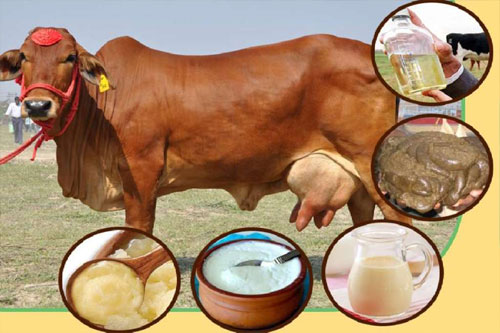
Panchagavya
-
January 28
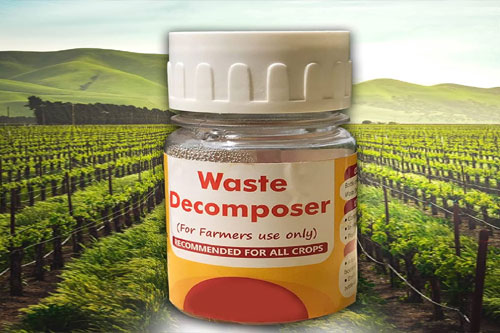
Waste Decomposer
-
February 03
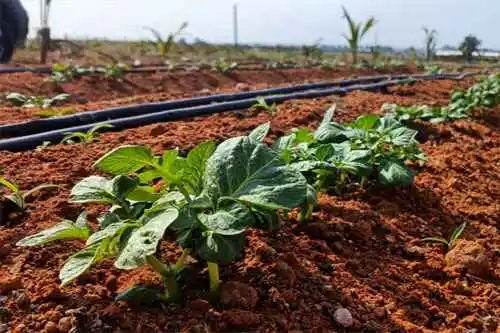
Natural farming with Zero Budget
-
February 09
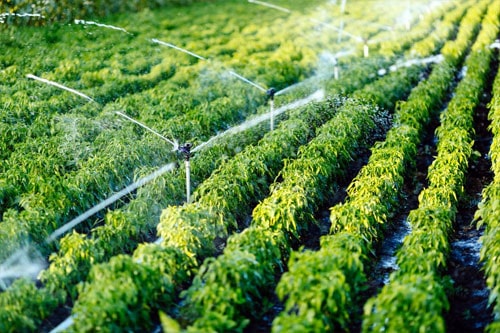
Drip Irrigation
-
February 14
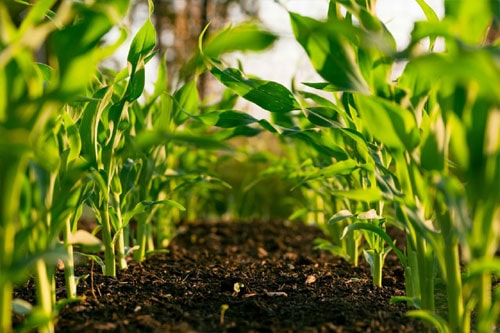
Organic Farming
-
February 19
Recycling is A Must
-
February 25
Save Our Water
-
February 29
Save Our Eco System
-
March 04
Hebbevu – Melia Dubia
-

-
-
March 19
Why Need to Invest in Farm Lands?