January 15
How We Choose the Right Saplings for a Farm
Home / Blogs
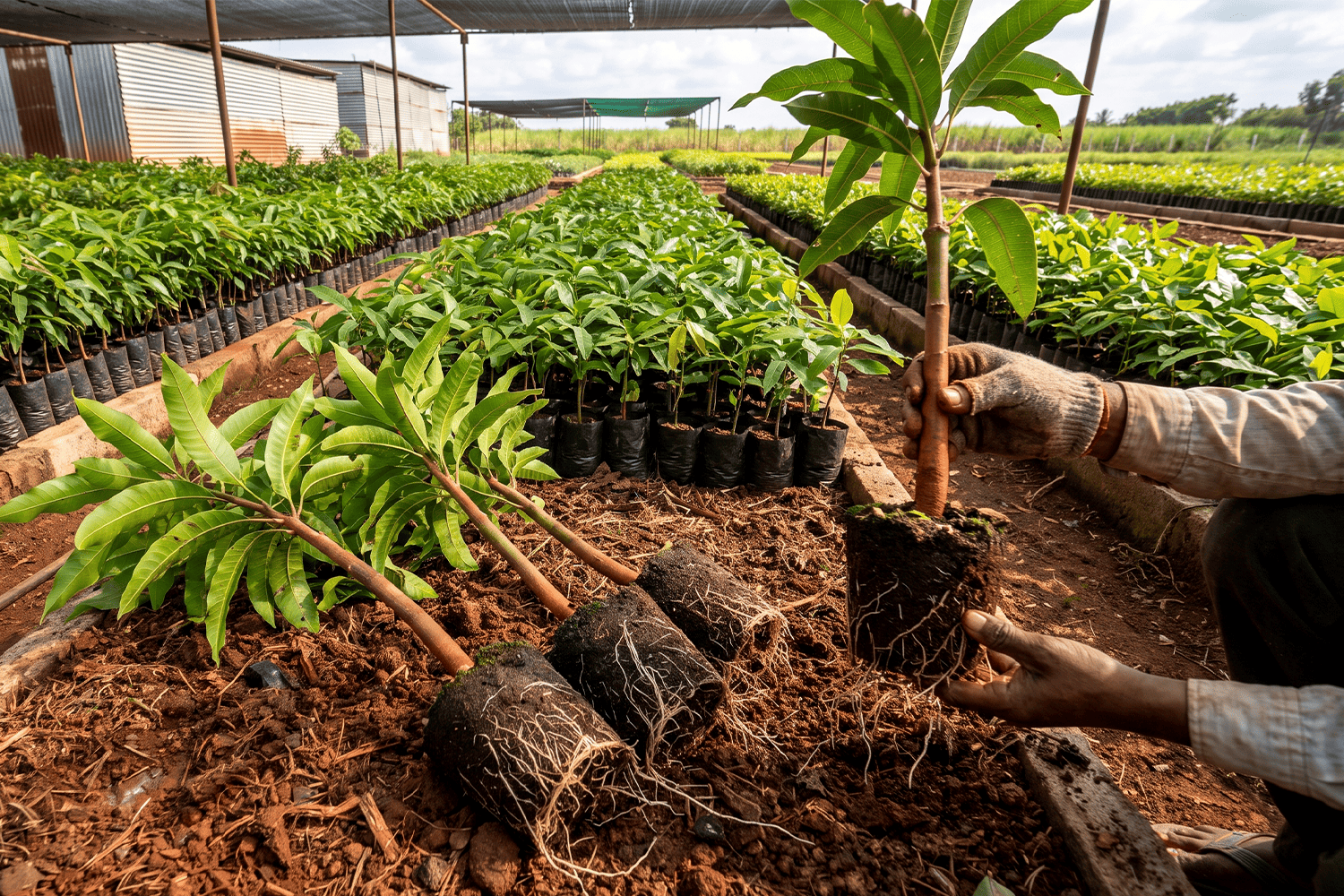
How We Choose the Right Saplings for a Farm
A plantation can last for years or even decades.
That makes the selection of planting material one of the most important decisions during farm development.
What Makes a Good Sapling?
A quality sapling should generally be:
Healthy
Vigorous
Well rooted
Appropriate for the target crop
Suitable for the local environment
Free from visible disease or major defects
Why Sapling Age Matters
The age of planting material can influence establishment and management requirements.
However, older does not automatically mean better.
The right age depends on:
Crop
Variety
Nursery practices
Transplanting conditions
Project timeline
Variety Matters Too
Different varieties can have different characteristics related to:
Growth
Fruit quality
Yield potential
Maturity period
Market preference
Climate suitability
Therefore, sapling selection should be connected to the larger plantation plan.
Why Nursery Quality Matters
The quality of the nursery is another important factor.
Healthy nursery management can influence the root system, plant vigour and overall condition of the sapling before it reaches the farm.
Customer-Driven Plantation
In some managed farmland projects, landowners may also have preferences regarding plantation type or variety.
These preferences need to be balanced with the agricultural suitability of the land.
How Hebbevu Approaches It
At Hebbevu, sapling selection is treated as part of the overall farm-development process.
The objective is not simply to buy plants.
It is to choose appropriate planting material for a specific agricultural plan.
Conclusion
A plantation is a long-term commitment.
That is why choosing the right sapling is not a small purchasing decision.
It is the first step in building the future of the farm.
-
-
January 20
Panchagavya
-
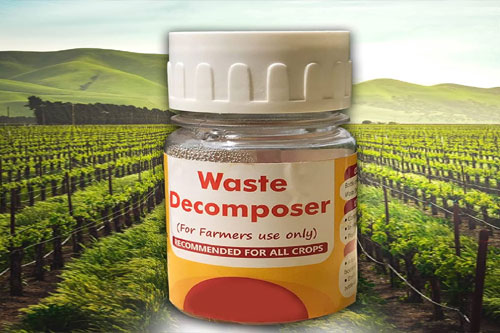
January 28
Waste Decomposer
-
February 03
Natural farming with Zero Budget
-
February 09
Drip Irrigation
-
February 14
Organic Farming
-

February 19
Recycling is A Must
-

February 25
Save Our Water
-
February 29
Save Our Eco System
-
March 04
Hebbevu – Melia Dubia
-

-
-
March 19
Why Need to Invest in Farm Lands?