January 15

How Technology Is Changing Farm Management
Home / Blogs
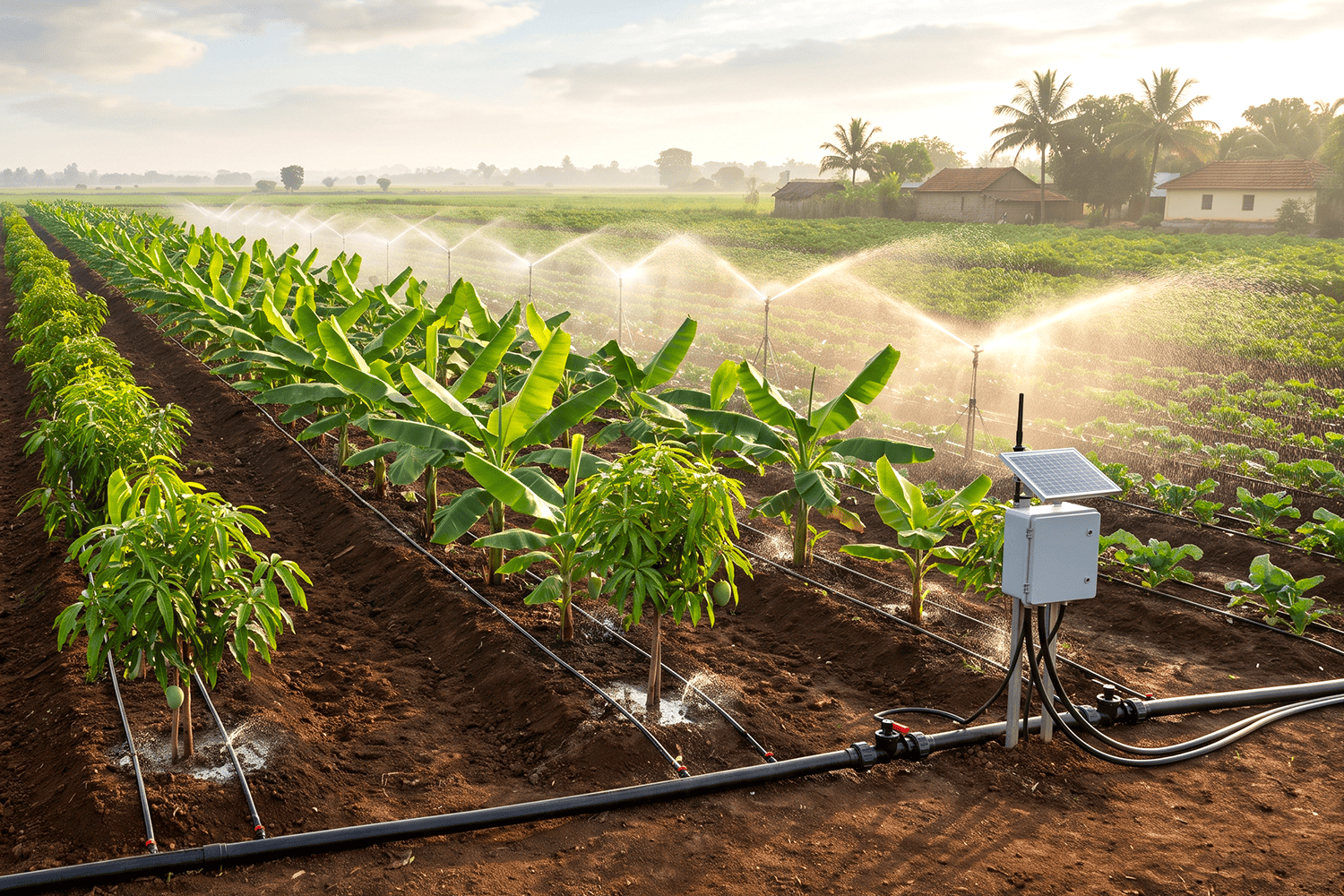
Automated Irrigation: How Technology Is Changing Farm Management
Water is one of the most important resources in agriculture.
As farms become larger, manually managing irrigation across every section becomes increasingly complex.
This is where automated irrigation systems can make a meaningful difference.
What Is Automated Irrigation?
Automated irrigation uses infrastructure and control systems to manage how water is distributed across agricultural areas.
Depending on the system, irrigation can be planned around:
Farm zones
Crop requirements
Schedules
Water availability
Field conditions
Why Is It Important?
A large farm may contain hundreds of plantation sections.
Each section needs to receive water at the appropriate time and in an appropriate quantity.
Automation helps create consistency.
Benefits of Automated Irrigation
Better Scheduling
Watering can follow planned schedules rather than relying entirely on manual intervention.
Greater Operational Efficiency
Farm teams can manage larger areas more systematically.
More Consistent Distribution
An appropriately designed system can distribute water more uniformly.
Reduced Manual Dependence
Technology reduces the amount of repetitive manual work involved in irrigation management.
Automation Doesn't Replace Agricultural Expertise
A sophisticated irrigation system is only useful when paired with good agricultural decisions.
The farm team still needs to understand:
Crop requirements
Soil moisture
Seasonal variations
Water availability
Plantation age
Irrigation frequency
Technology provides the tools.
Agricultural expertise provides the decisions.
Why It Matters for Managed Farmland
For a landowner, irrigation is one of the most important operational questions.
Who controls the water?
How is irrigation scheduled?
What happens during dry periods?
How is the system maintained?
A professionally managed farm should have clear answers to these questions.
Hebbevu's Approach
Large-scale irrigation infrastructure forms an important part of Hebbevu's managed farmland operations where such systems are deployed.
The objective is straightforward:
Use technology to make water management more systematic and efficient.
Conclusion
The future of agriculture is not about choosing between farmers and technology.
It is about using technology to help agricultural teams manage land better.
-
-

January 20
Panchagavya
-
January 28
Waste Decomposer
-
February 03
Natural farming with Zero Budget
-
February 09
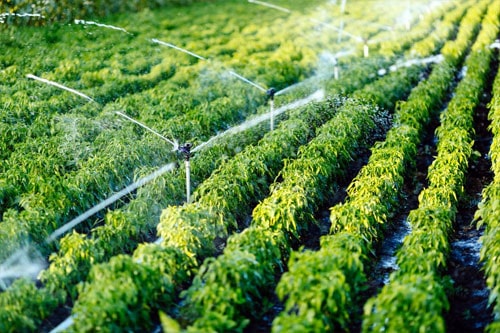
Drip Irrigation
-

February 14
Organic Farming
-

February 19
Recycling is A Must
-

February 25
Save Our Water
-

February 29
Save Our Eco System
-
March 04
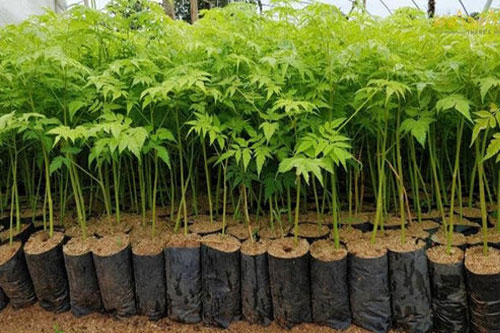
Hebbevu – Melia Dubia
-
-
-

March 19
Why Need to Invest in Farm Lands?