January 15

How Proper Land Preparation Sets Up a Farm for the Future
Home / Blogs
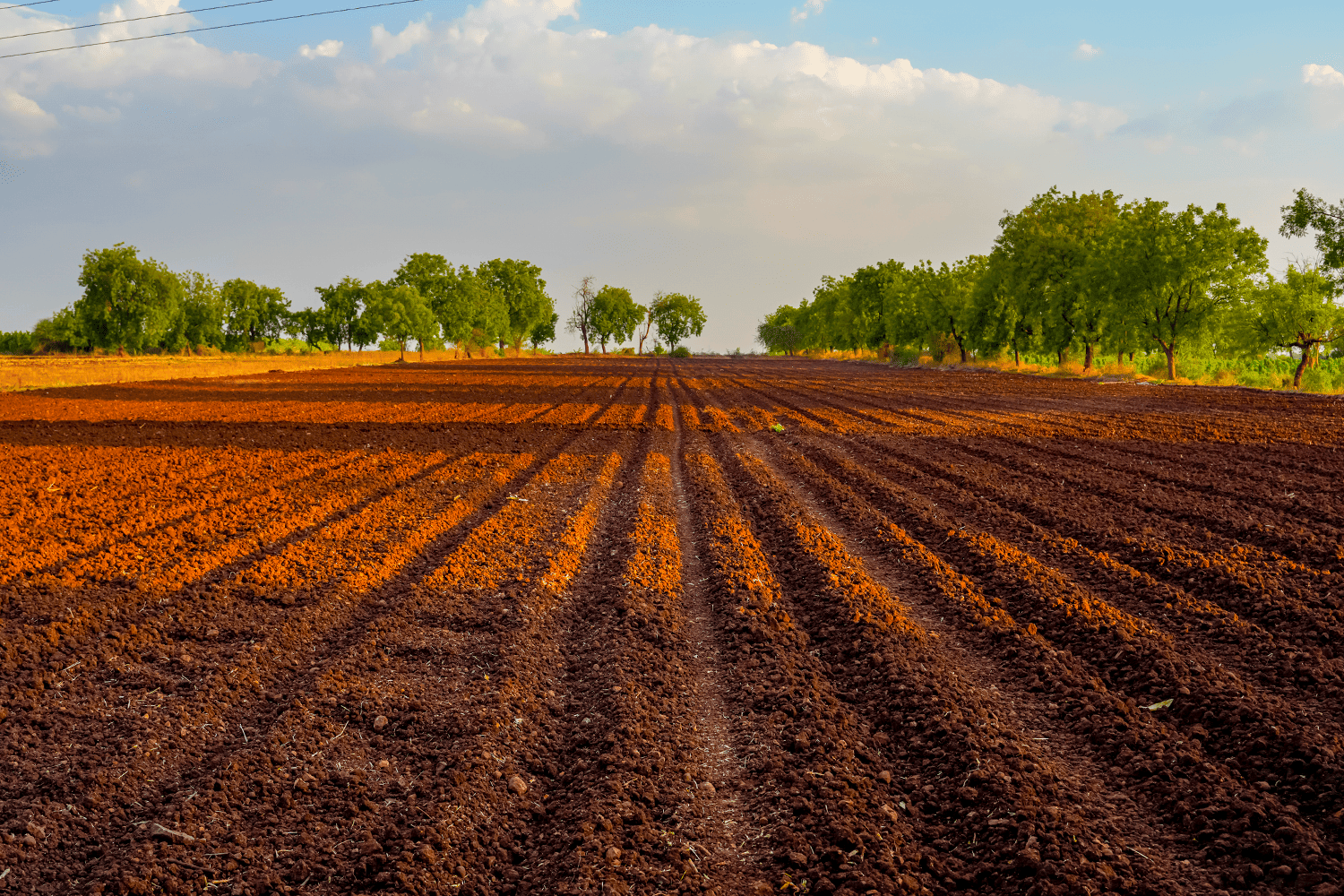
How Proper Land Preparation Sets Up a Farm for the Future
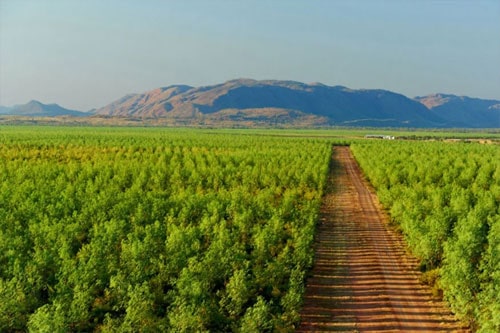
Before a field becomes a plantation, there is a phase that often receives little attention: land preparation.
Yet the decisions made during this stage can influence how easily the farm can be managed later.
Step 1: Understand the Land
Before development begins, the team needs to understand:
Terrain
Soil
Drainage
Existing vegetation
Water availability
Access
Plantation requirements
Step 2: Prepare the Soil
Depending on the land and project, preparation may involve:
Clearing
Levelling
Soil conditioning
Organic matter management
Drainage planning
The objective is to create conditions suitable for plantation establishment.
Step 3: Plan the Farm Layout
A plantation is not simply a collection of trees.
The layout needs to account for:
Tree spacing
Irrigation lines
Internal access
Farm roads
Plantation zones
Equipment movement
A well-planned layout makes future operations easier.
Step 4: Plan Irrigation
Water infrastructure should be designed around the actual plantation layout.
The irrigation system needs to reach the areas where trees will be planted and allow farm teams to manage them effectively.
Step 5: Prepare for Long-Term Management
A farm should be planned not only for planting but also for:
Pruning
Fertilisation
Crop protection
Harvesting
Internal transport
Maintenance
Why This Stage Matters
Poor preparation can create avoidable problems later.
For example, inadequate access can make maintenance difficult.
Poor drainage can affect plant health.
Improper spacing can create management challenges.
Good preparation addresses these issues before they become operational problems.
Conclusion
The first stage of building a successful farm is not planting.
It is preparing the land to support everything that comes afterward.
-
-
January 20
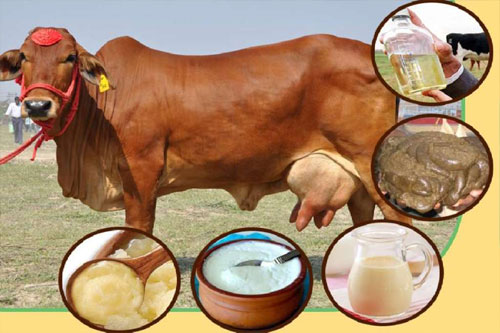
Panchagavya
-
January 28
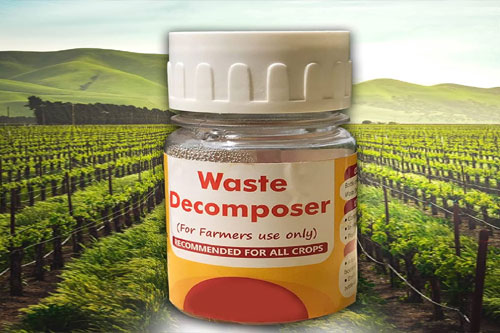
Waste Decomposer
-
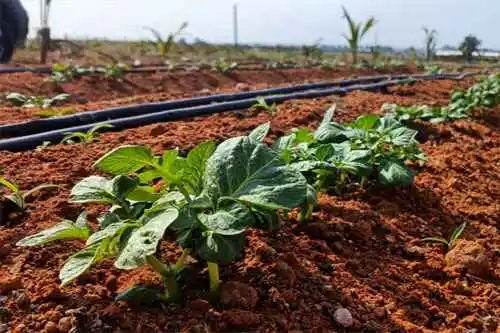
February 03
Natural farming with Zero Budget
-
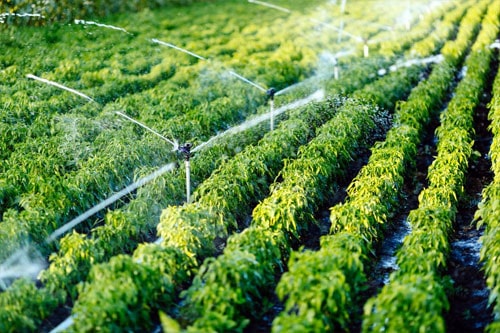
February 09
Drip Irrigation
-
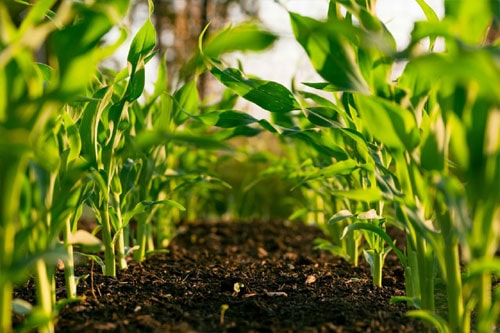
February 14
Organic Farming
-

February 19
Recycling is A Must
-

February 25
Save Our Water
-

February 29
Save Our Eco System
-
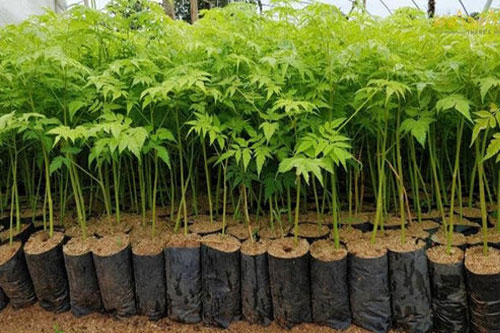
March 04
Hebbevu – Melia Dubia
-

-
-
March 19
Why Need to Invest in Farm Lands?