January 15

Everything You Need to Know Before Owning One
Home / Blogs

Managed Farmlands Explained: Everything You Need to Know Before Owning One
The idea of owning farmland appeals to a lot of people - space, greenery, a connection to nature, something real to call your own. But the reality of running a farm stops most of them cold. Farming is skilled, demanding, daily work, and very few people with city careers can realistically take it on.
Managed farmland is the answer that's emerged for exactly this gap. It lets you own agricultural land without having to farm it yourself. But like anything, it's worth understanding properly before you commit. Here's a clear, honest guide.
What is managed farmland?
Managed farmland is agricultural land that you own, while a professional team handles the actual work of cultivating and maintaining it. You hold the ownership; they handle the ploughing, planting, irrigation, upkeep, and harvesting.
Think of it as the difference between owning a home you maintain yourself and owning one where a property manager keeps everything running. You still own the asset - you're simply not doing the day-to-day labour.
How it typically works
While models vary between providers, most managed farmland arrangements share a similar shape:
-
You own a defined parcel of land, usually with clear documentation and a title in your name.
-
A management company operates the land - deciding what to grow, tending the crops or trees, and maintaining the soil, water systems, and infrastructure.
-
The land is often part of a larger, professionally run farm, which allows for shared equipment, expertise, and economies of scale that an individual plot couldn't achieve alone.
-
You can usually visit your land and the wider farm, staying connected to what you own.
The core promise is simple: ownership without the operational burden.
What to check before you own one
This is the part most excited buyers skip - and shouldn't. Before owning managed farmland, get clear answers on:
1. Ownership and documentation. What exactly do you own, and how is it recorded? Is the title clearly in your name? Understand the legal structure completely before anything else.
2. Who manages the land, and how. What is the track record of the management team? How do they make cultivation decisions? What happens if the land underperforms? A managed model is only as good as the people managing it.
3. Costs - all of them. What are the upfront and ongoing costs? Are there maintenance charges, and if so, what do they cover? Insist on complete transparency; there should be no vague or hidden fees.
4. Access and involvement. Can you visit? How often, and with what notice? How will you be kept informed about your land? You should never feel disconnected from something you own.
5. What happens over the long term. What are the arrangements if you want to exit, transfer, or pass on the land? Understand the full lifecycle, not just the purchase.
Who managed farmland suits
Managed farmland tends to fit people who:
-
Want to own agricultural land but don't have the time or skills to farm it
-
Value a genuine connection to land and nature over a purely urban asset
-
Prefer a hands-off arrangement with professional oversight
-
Are thinking long-term - about the land, and often about family and legacy
It's less suited to people who want to actively run their own farm, or who want something they can buy and sell quickly.
The honest caveats
Managed farmland is not a shortcut and not a set-and-forget arrangement to take on trust. The quality of your experience depends heavily on the integrity and competence of the management company. Land is a long-term, illiquid commitment - it's not something to enter lightly or exit quickly. And you should always understand exactly what you're buying, from whom, and on what terms.
The right provider will welcome every one of these questions and answer them plainly. Be cautious of anyone who doesn't.
The bottom line
Managed farmland offers something genuinely valuable: the chance to own real, living agricultural land while a skilled team keeps it healthy and productive. For the right person, someone who wants the land, the connection, and the peace of mind, without the daily labour -mit can be an excellent fit.
The key is to go in informed. Ask the hard questions, understand the full picture, and choose a provider whose transparency and track record you trust.
This article is for general educational purposes only and does not constitute financial, legal, or property-ownership advice. Always consult qualified professionals and conduct your own due diligence before making any land-ownership decision.
Curious how managed farmland works in practice? Explore Hebbevu managed farmland →
```-
-
January 20
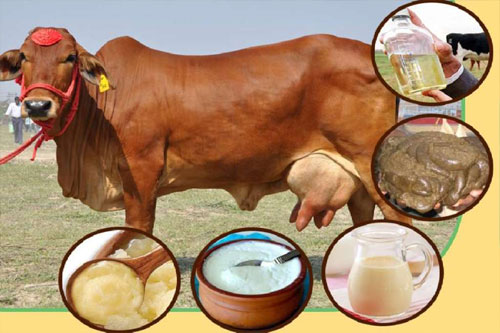
Panchagavya
-
January 28
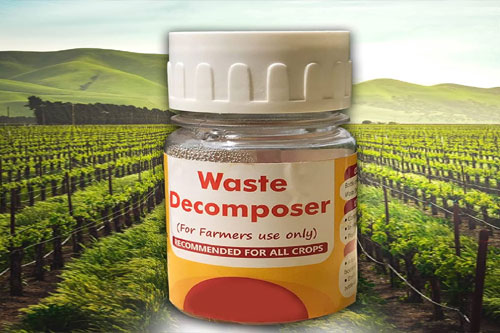
Waste Decomposer
-
February 03
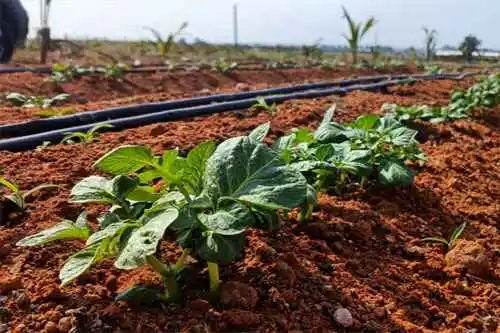
Natural farming with Zero Budget
-
February 09
Drip Irrigation
-

February 14
Organic Farming
-

February 19
Recycling is A Must
-

February 25
Save Our Water
-
February 29
Save Our Eco System
-
March 04
Hebbevu – Melia Dubia
-
-
-

March 19
Why Need to Invest in Farm Lands?